



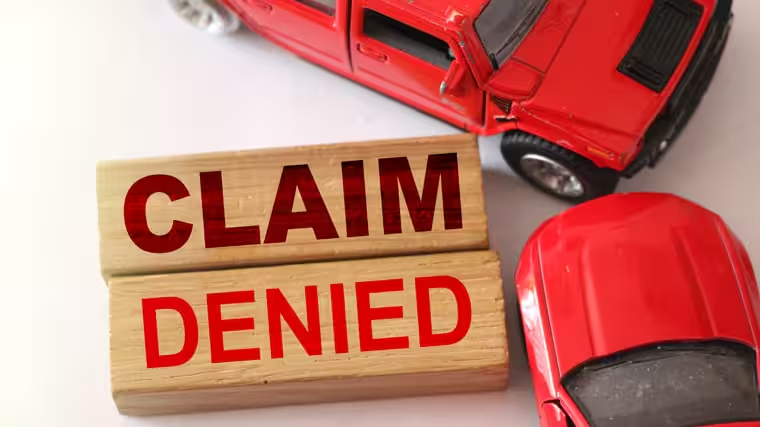
Filing an auto insurance claim should be straightforward—but for many drivers, it turns into a frustrating rejection. What’s worse is that most claim rejections happen due to small, avoidable mistakes, not fraud or major violations.
If you want your claim approved smoothly, here are the 9 most common mistakes policyholders make without even realizing it.
1. Delaying Accident Intimation
Most insurers require accidents to be reported within 24–48 hours. Delaying this, even for genuine reasons, can lead to claim rejection. Always inform your insurer immediately after an accident, even if the damage seems minor.
2. Repairing the Car Before Inspection
Getting your car repaired before the insurer’s survey is a big mistake. Insurers must assess the damage first. Unauthorized repairs can void your claim entirely.
3. Driving With an Expired License or Policy
If your driving license or insurance policy is expired—even by a day—your claim may be rejected. Always keep your documents valid and renewed on time.
4. Not Reading Policy Terms Carefully
Many drivers skip policy documents. This leads to misunderstandings about what’s covered and what’s not. Exclusions, deductibles, and limits matter more than you think.
5. Misreporting or Incomplete Information
Incorrect details about the accident, vehicle usage, or driver information can raise red flags. Always provide accurate and consistent information during claim filing.
6. Driving Under the Influence
Claims involving alcohol or drugs are almost always rejected. Even if the accident wasn’t severe, intoxicated driving violates policy terms.
7. Using the Car for Undisclosed Purposes
Using a personal car for commercial purposes (ride-sharing, deliveries) without informing the insurer can result in claim denial. Policy usage must match actual usage.
8. Skipping Mandatory Documents
Missing documents like FIR, repair bills, or photos can delay or cancel your claim. Keep all required paperwork ready and properly submitted.
9. Assuming “Comprehensive” Means Everything Is Covered
Even comprehensive policies have exclusions. Wear and tear, mechanical failures, and negligence are usually not covered unless specific add-ons are included.
Final Takeaway
Most auto insurance claim rejections are preventable. A little awareness, timely communication, and careful documentation can save you from financial loss and stress.
Insurance works best when you know how to use it.

