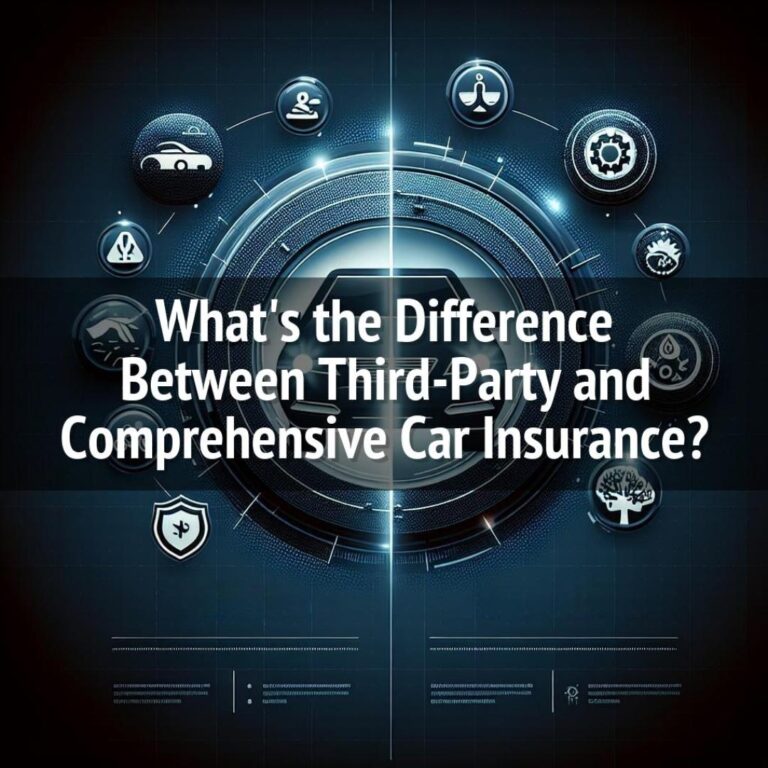
When buying car insurance, most people hear the same advice:
👉 “Third-party is cheaper, comprehensive is better.”
But what agents often don’t clearly explain is why one costs more, when the cheaper option makes sense, and what you actually lose by choosing the wrong policy.
Let’s break it down in simple terms—no jargon, no sales talk.
What Is Third-Party Car Insurance?
Third-party insurance is the minimum legal requirement in many countries, including India. It covers:
✔ Damage to another person’s vehicle
✔ Injury or death of a third party
✔ Legal liabilities arising from accidents
What it does NOT cover:
✖ Damage to your own car
✖ Theft of your vehicle
✖ Natural disasters or fire
✖ Repair costs after an accident
It’s cheap because it protects others, not you.
What Is Comprehensive Car Insurance?
Comprehensive insurance offers all third-party coverage plus protection for your own car.
It covers:
✔ Accident damage to your vehicle
✔ Theft or total loss
✔ Fire, floods, earthquakes, storms
✔ Vandalism and riots
✔ Optional add-ons for extra protection
This is why comprehensive insurance costs more—it actually protects your asset.
The Real Difference Agents Don’t Emphasize
Most agents focus on price, not risk exposure.
With Third-Party Insurance:
- One accident = full repair cost from your pocket
- No help if your car is stolen
- No coverage for natural disasters
- Financial stress even after minor damage
With Comprehensive Insurance:
- Repair costs are mostly covered
- Add-ons reduce out-of-pocket expenses
- Peace of mind in unpredictable situations
The difference isn’t premium—it’s financial safety.
Cost Comparison: Cheap vs Costly Mistake
| Factor | Third-Party | Comprehensive |
|---|---|---|
| Annual Premium | Low | Higher |
| Own Car Damage | ❌ No | ✅ Yes |
| Theft Protection | ❌ No | ✅ Yes |
| Natural Disasters | ❌ No | ✅ Yes |
| Peace of Mind | Low | High |
Saving a few thousand today can cost lakhs tomorrow.
When Third-Party Insurance Actually Makes Sense
Third-party insurance is suitable if:
✔ Your car is very old (10+ years)
✔ Resale value is low
✔ Repair costs are minimal
✔ You rarely drive
✔ Budget is extremely tight
In these cases, paying high premiums may not be practical.
When Comprehensive Insurance Is the Smarter Choice
Comprehensive insurance is ideal if:
✔ Your car is new or under 7 years old
✔ Repair costs are high
✔ You drive daily in city traffic
✔ You park in open or flood-prone areas
✔ You want stress-free claims
For most urban drivers, comprehensive coverage is not optional—it’s essential.
Add-Ons That Make Comprehensive Insurance Worth It
Agents often skip explaining add-ons. The right ones can save you a lot:
- Zero Depreciation – Full claim without depreciation cuts
- Engine Protection – Covers water and oil damage
- Roadside Assistance – Towing, battery jumpstart, fuel help
- Return to Invoice – Get original invoice value if car is stolen
Without add-ons, even comprehensive policies have limits.
Final Verdict: Which One Should You Choose?
The real question isn’t:
❌ “Which insurance is cheaper?”
It’s:
✅ “Which insurance can I afford to rely on after an accident?”
- Third-party insurance meets legal requirements
- Comprehensive insurance meets real-world needs
If your car matters to you, protect it properly.